
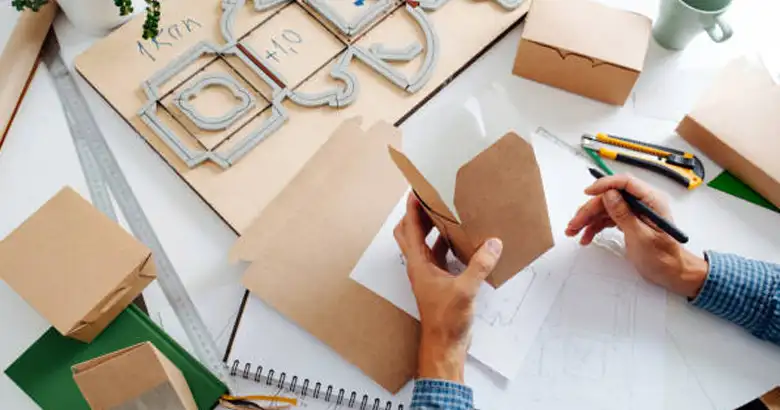
Package design plays a powerful role in how products are presented, protected, and perceived in the marketplace. It is far more than a simple container for goods; it is a strategic combination of creativity, branding, functionality, and communication. Businesses across many industries invest significant time and resources into package design because it directly influences customer decisions, brand identity, and overall product success.
At its core, package design serves a functional purpose package design. It protects products from damage during transportation, storage, and handling. Whether the product is fragile electronics, fresh food, cosmetics, or clothing, the packaging must ensure that the item reaches the customer safely and in perfect condition. Designers carefully consider materials, structure, and durability to create packaging that meets these practical requirements while still maintaining visual appeal.
Visual presentation is one of the most influential aspects of package design. When consumers walk through a store or browse online marketplaces, the packaging is often the first thing they notice. Colors, typography, images, and layout all contribute to the overall impression of the product. A well-designed package immediately communicates the brand’s personality and quality. It can evoke emotions such as excitement, trust, luxury, or simplicity depending on the design choices.
Brand identity is closely tied to package design. Companies use packaging as a storytelling tool to express their values, mission, and unique character. Through consistent visual elements such as logos, color schemes, and design styles, packaging helps customers recognize a brand quickly among competitors. Strong packaging design allows products to stand out on crowded shelves and creates a memorable visual identity that customers can easily recall.
Another important element of package design is communication. Packaging provides essential information about the product including ingredients, usage instructions, safety details, and manufacturing information. Designers must organize this information clearly so that customers can easily understand what the product is and how to use it. Effective communication through packaging builds consumer confidence and helps people make informed purchasing decisions.
In modern markets, sustainability has become a major influence on package design. Consumers are increasingly aware of environmental issues, and many prefer products that use eco-friendly packaging. As a result, designers and manufacturers are exploring recyclable materials, biodegradable options, and minimalistic packaging solutions that reduce waste. Sustainable package design not only benefits the environment but also strengthens a brand’s reputation among environmentally conscious consumers.
Innovation continues to shape the evolution of package design. New materials, printing technologies, and production methods allow designers to create packaging that is more efficient, durable, and visually striking. Smart packaging is one example of modern innovation, where digital features such as QR codes, augmented reality experiences, or temperature indicators are integrated into the design. These technologies enhance the customer experience and provide additional value beyond traditional packaging functions.
User experience is another factor that designers carefully consider. A successful package design must be convenient and easy to use. Customers appreciate packaging that opens smoothly, reseals effectively, and stores efficiently. For example, food packaging may include resealable features to preserve freshness, while cosmetic packaging might be designed for precise application. These thoughtful details make products more enjoyable and practical for everyday use.
The emotional impact of package design should not be underestimated. Consumers often form quick judgments based on appearance, and attractive packaging can create a sense of excitement or curiosity. A beautifully designed package can make a product feel premium, exclusive, or innovative. This emotional connection encourages customers to choose one product over another, even when the contents may be similar.
Retail environments further highlight the importance of package design. In physical stores, products compete for attention within limited shelf space. Eye-catching packaging can capture a shopper’s interest within seconds. Designers often consider factors such as shelf placement, lighting, and viewing angles when creating packaging layouts. The goal is to ensure that the product remains visually appealing from a distance and up close.
The growth of e-commerce has also changed the approach to package design. Online shoppers may first encounter the product through digital images, so packaging must look appealing in photographs and promotional materials. At the same time, the packaging must be durable enough to withstand shipping and delivery processes. Many brands now design packaging that creates a memorable unboxing experience, turning the moment of opening the package into an exciting and shareable event.
Cultural awareness plays a role in effective package design as well. Colors, symbols, and design styles can carry different meanings across cultures. Designers working with international markets must understand these cultural differences to avoid misunderstandings and create packaging that resonates with diverse audiences. A thoughtful design approach ensures that products communicate the right message wherever they are sold.
Collaboration is often necessary during the development of package design. Designers work closely with marketing teams, product developers, engineers, and manufacturers to ensure that the final design meets all functional and branding requirements. This teamwork helps balance creativity with practicality, resulting in packaging that is visually attractive, cost-effective, and easy to produce.
Testing and feedback are also essential parts of the process. Before launching a product, companies may evaluate several design concepts to determine which one resonates best with consumers. Market research, focus groups, and prototype testing help identify strengths and weaknesses in each design. These insights guide improvements that lead to more successful packaging solutions.
Over time, package design has evolved into a specialized discipline within the broader field of design and marketing. Professionals in this field combine artistic creativity with technical knowledge and strategic thinking. They must understand consumer psychology, materials science, printing technology, and branding principles to create effective packaging solutions.
Ultimately, package design is a powerful connection between the product and the consumer. It protects the product, communicates information, expresses brand identity, and influences purchasing decisions. When executed thoughtfully, it transforms an ordinary container into a meaningful experience that reflects the quality and character of the product inside.
In a world filled with competing products and limited consumer attention, strong package design has become an essential factor in business success. Companies that invest in creative and functional packaging often gain a competitive advantage, attracting customers and building lasting brand recognition. Through innovation, sustainability, and thoughtful design, packaging continues to evolve as a key element of modern marketing and product presentation.